Introduction
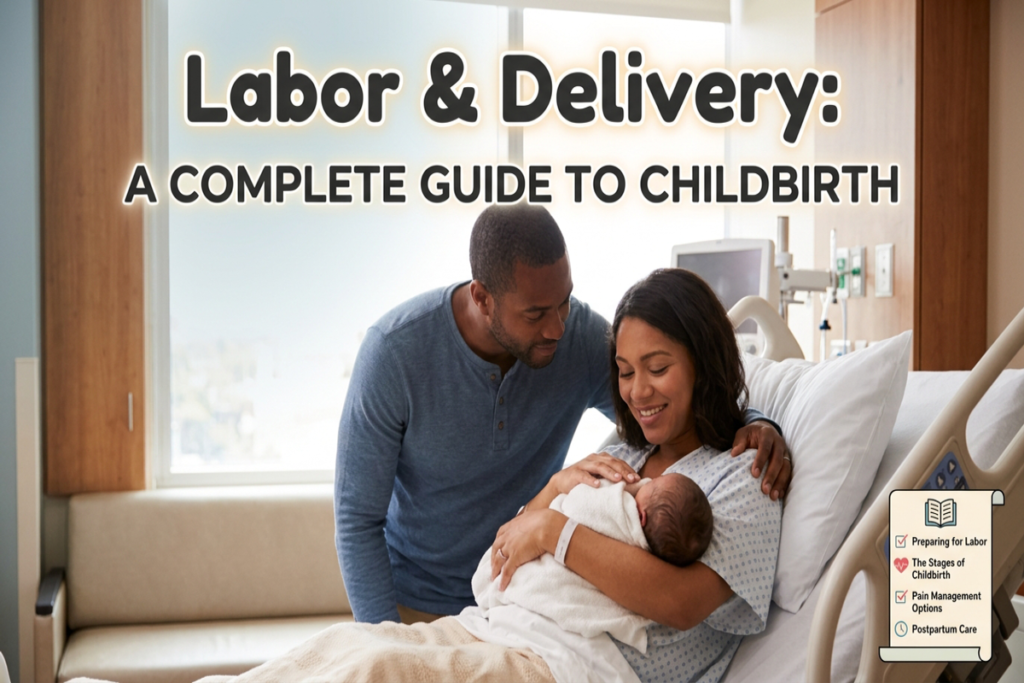
Labor and delivery are important stages of pregnancy that lead to the birth of a baby. Understanding the signs of labor, the stages of childbirth, and the available delivery options can help expectant parents feel more prepared and confident.
Every pregnancy and birth experience is different. Regular antenatal care and guidance from an experienced obstetrician help ensure that the mother and baby receive appropriate care throughout labor and delivery.
What Is Labor and Delivery?
Labor is the process through which the uterus contracts, the cervix gradually opens, and the baby moves toward birth. Delivery refers to the birth of the baby, followed by the delivery of the placenta.
Labor may begin naturally, or delivery may be recommended or planned for medical reasons.
What Are the Signs of Labor?
Recognizing the signs of labor can help pregnant women know when to contact their healthcare provider.
Common signs include:
Regular contractions: Contractions that become more regular, stronger, and closer together.
Changes in vaginal discharge: The mucus plug may pass, sometimes with a small amount of blood.
Water breaking: The amniotic sac may rupture, causing a gush or a steady trickle of fluid.
Lower back discomfort: Some women experience backache or pelvic pressure as labor progresses.
Not every sign means that active labor has started. Contact your maternity unit or healthcare provider if you think labor is beginning. Seek urgent medical assessment for heavy bleeding, severe persistent pain, reduced fetal movements, or suspected water breaking, particularly before 37 weeks.
What Are the Three Stages of Labor?
1. The First Stage: Cervical Dilation
The first stage begins with labor contractions that cause the cervix to thin and open. It includes early labor and active labor.
During this stage, healthcare professionals monitor the progress of labor and the well-being of the mother and baby. The duration varies considerably from one woman to another.
2. The Second Stage: Birth of the Baby
The second stage begins when the cervix is fully dilated and ends with the birth of the baby.
Depending on the circumstances, the mother may be guided on pushing positions and breathing techniques. The healthcare team monitors progress and may recommend assistance if medically necessary.
3. The Third Stage: Delivery of the Placenta
After the baby is born, the placenta separates from the uterus and is delivered. Healthcare professionals monitor bleeding and the mother’s condition during this stage.
Types of Delivery
Vaginal Delivery
Vaginal delivery occurs when the baby is born through the birth canal. When medically appropriate, it may allow a shorter hospital stay and recovery period compared with cesarean delivery.
Cesarean Delivery (C-Section)
A cesarean delivery is a surgical procedure in which the baby is delivered through incisions in the abdomen and uterus. It may be planned in advance or performed during labor when medical circumstances require it.
The safest delivery method depends on the mother’s health, the baby’s condition, the progress of labor, and other individual factors.
Pain Management During Labor
Pain relief options vary according to individual needs and the facilities available. Options may include:
Breathing and relaxation techniques.
Changing positions and using movement for comfort.
Massage and continuous support.
Medical pain relief, including an epidural when appropriate.
Discuss your preferences and available options with your obstetrician before delivery. A flexible birth plan can help communicate your wishes while allowing the healthcare team to respond to changing medical needs.
How to Prepare for Labor and Delivery
Preparing for childbirth can make the experience more organized and less stressful.
Attend regular antenatal appointments.
Discuss your birth plan and pain relief preferences.
Learn how to recognize labor contractions and warning signs.
Prepare your hospital bag and important medical documents.
Arrange transportation and support for the day of delivery.
Follow your healthcare provider’s advice about when to go to the hospital.
When Should You Contact Your Doctor?
Contact your healthcare provider when contractions become regular according to the instructions you received, when your water breaks, or if you have concerns about your pregnancy.
Seek urgent medical care for heavy vaginal bleeding, severe abdominal pain, reduced fetal movement, or signs of labor before 37 weeks. Do not wait for contractions to become regular if you experience these warning signs.
Conclusion
Labor and delivery are unique experiences, and understanding the process can help expectant parents prepare for childbirth. From recognizing the first signs of labor to choosing an appropriate delivery method, professional obstetric care plays an essential role in supporting maternal and newborn health.
Regular antenatal follow-up with an experienced obstetrician helps you understand your options and prepare for a safer, more informed birth experience.
Book a consultation with Dr. Shady Saleem to discuss pregnancy follow-up, delivery planning, and the care that best suits your individual needs.