
High-Risk Pregnancy
High-Risk Pregnancy
- Hypertension
- Diabetes
- Heart and kidney diseases
- Previous preterm deliveries
- Recurrent miscarriage
Following a high-risk pregnancy with a highly qualified and experienced physician is essential for your safety and your baby’s well-being.
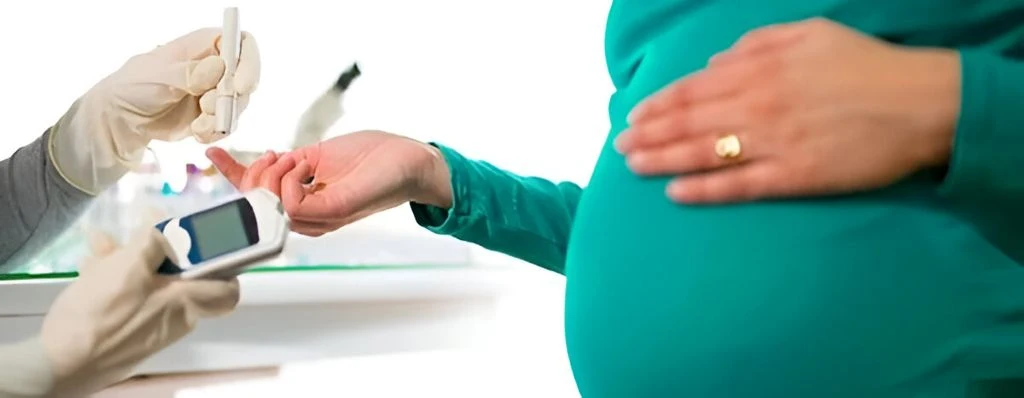
High-Risk Pregnancy: Causes, Symptoms, Monitoring and Specialist Care
A high-risk pregnancy is a pregnancy in which the mother, baby, or both have a higher-than-usual risk of developing health complications before, during, or after delivery.
Being diagnosed with a high-risk pregnancy does not necessarily mean that complications will occur. In many cases, careful monitoring and appropriate medical care can help manage potential risks and support a healthy pregnancy.
High-risk pregnancy care may involve an obstetrician, a maternal-fetal medicine specialist, and other healthcare professionals depending on the mother’s medical history and the condition affecting the pregnancy.
In this guide, we explain what a high-risk pregnancy means, common causes and risk factors, warning signs, recommended monitoring, and when specialist care may be needed.
What Is a High-Risk Pregnancy?
A high-risk pregnancy is a pregnancy that requires closer medical attention because certain maternal, fetal, or pregnancy-related factors increase the possibility of complications.
Risk can be present before pregnancy or develop during pregnancy.
Examples include:
Maternal medical conditions
Previous pregnancy complications
Multiple pregnancy
Abnormal fetal development
Placental problems
Pregnancy-related complications
Advanced maternal age
Certain genetic or fetal conditions
The level of risk varies from one patient to another. A pregnancy may be considered high risk because of a single factor or because several factors occur together.
What Causes a High-Risk Pregnancy?
There is no single cause of high-risk pregnancy.
Risk may result from the mother’s health, the baby’s condition, pregnancy complications, or a combination of these factors.
1. Maternal Health Conditions
Some medical conditions can increase pregnancy risks.
Examples include:
Diabetes
High blood pressure
Heart disease
Kidney disease
Thyroid disorders
Autoimmune diseases
Certain blood disorders
Epilepsy and other neurological conditions
Women with chronic medical conditions should ideally discuss pregnancy planning with their healthcare team before conception.
2. Previous Pregnancy Complications
A history of pregnancy complications may increase the need for specialist monitoring in a future pregnancy.
Examples include:
Previous preterm birth
Previous pregnancy loss
Previous preeclampsia
Previous fetal growth restriction
Previous placental complications
Previous stillbirth
A previous complication does not mean that it will happen again, but it can help doctors identify pregnancies that may benefit from closer observation.
3. Multiple Pregnancy
Pregnancies involving twins or higher-order multiples generally require additional monitoring.
Multiple pregnancies can have a higher risk of complications such as:
Preterm birth
Fetal growth problems
Preeclampsia
Placental complications
Differences in fetal growth
The appropriate monitoring schedule depends on the type of multiple pregnancy and other clinical factors.
4. Advanced Maternal Age
Maternal age can influence pregnancy risks.
As maternal age increases, certain pregnancy complications become more common, including some chromosomal conditions, gestational diabetes, hypertension, and other complications.
However, age alone does not determine pregnancy outcome.
Many women have healthy pregnancies with appropriate prenatal care and individualized monitoring.
5. Diabetes During Pregnancy
Diabetes that exists before pregnancy or develops during pregnancy can require additional monitoring.
Poorly controlled blood glucose can increase the risk of complications affecting both mother and baby.
Management may involve:
Blood glucose monitoring
Nutritional guidance
Medication when necessary
Fetal growth assessment
Additional antenatal monitoring
Women with diabetes should receive individualized medical advice throughout pregnancy.
6. High Blood Pressure and Preeclampsia
High blood pressure during pregnancy can require close monitoring.
One important pregnancy-related condition is preeclampsia, which can affect multiple organs and may have consequences for both the mother and baby.
Doctors may monitor:
Blood pressure
Urine protein when indicated
Blood tests
Maternal symptoms
Fetal growth
Placental function
Early recognition and appropriate management are important components of high-risk pregnancy care.
7. Previous Pregnancy Loss
Women who have experienced repeated pregnancy losses may require additional evaluation and monitoring.
The causes of recurrent pregnancy loss can vary and may include genetic, anatomical, hormonal, immune, blood-clotting, or other factors.
A specialist evaluation can help determine whether additional investigations are appropriate.
8. Fetal Growth Restriction
Fetal growth restriction (FGR) occurs when a fetus is smaller than expected for its gestational age because of an u