
IVF (ICSI)
IVF (ICSI)
The dream of motherhood is not impossible!
Every cause of delayed conception has a solution with Dr. Shady Selim, Consultant of Gynecology and IVF.
From tests and ultrasound, ovarian stimulation, egg retrieval, fertilization, embryo monitoring, and finally embryo transfer — every step is carefully calculated to achieve your dream.
Accurate diagnosis and close follow-up bring renewed hope for motherhood.
Start your IVF journey with the highest success rates, advanced technology, smart incubators, and optimal treatment cost with Dr. Shady Selim.
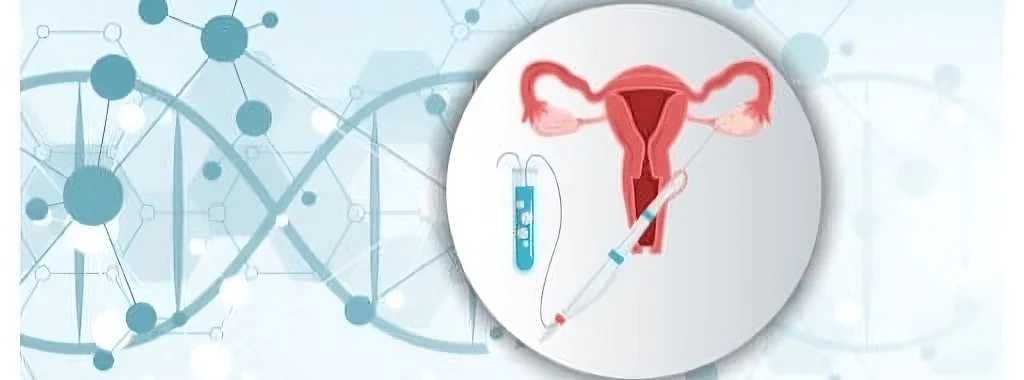
IVF with ICSI: Complete Guide to Intracytoplasmic Sperm Injection
IVF with ICSI (Intracytoplasmic Sperm Injection) is an advanced fertility treatment that combines in vitro fertilization (IVF) with a specialized laboratory technique designed to assist fertilization.
During ICSI, a single sperm is injected directly into a mature egg using specialized laboratory equipment. The resulting embryo can then be monitored and, when appropriate, transferred into the uterus.
ICSI is particularly useful in selected cases of male factor infertility or when previous IVF treatment has resulted in poor or unsuccessful fertilization.
However, ICSI is not automatically required for every IVF cycle. The decision should be based on the couple’s fertility assessment, medical history, sperm characteristics, previous treatment outcomes, and the recommendations of the fertility team.
In this guide, we explain what IVF with ICSI is, how the procedure works, when ICSI may be recommended, the difference between conventional IVF and ICSI, potential benefits and risks, and what patients should know before starting treatment.
What Is ICSI?
ICSI stands for intracytoplasmic sperm injection.
It is a laboratory fertilization technique used as part of an IVF treatment cycle.
With conventional IVF, eggs and sperm are placed together in a laboratory environment, allowing fertilization to occur naturally under controlled conditions.
With ICSI, an embryologist uses a specialized microscopic needle to inject one selected sperm directly into a mature egg.
The objective is to help the sperm enter the egg and initiate fertilization.
Once fertilization occurs, the resulting embryo is monitored in the laboratory before a decision is made about embryo transfer or freezing.
What Is the Difference Between IVF and ICSI?
IVF and ICSI are closely related but are not exactly the same procedure.
Conventional IVF
In conventional IVF:
Eggs are collected from the ovaries.
Sperm is prepared in the laboratory.
Eggs and sperm are placed together.
Fertilization occurs without direct sperm injection.
Embryos are monitored after fertilization.
An appropriate embryo may be transferred into the uterus.
IVF with ICSI
With ICSI:
Eggs are collected.
Mature eggs are identified.
A single sperm is selected.
The sperm is injected directly into the mature egg.
The fertilized egg is monitored for embryo development.
An appropriate embryo may be transferred or frozen.
The ovarian stimulation and egg retrieval stages are generally similar. The main difference occurs during the laboratory fertilization stage.
Why Is ICSI Used?
ICSI may be recommended when there is a concern about the ability of sperm to fertilize an egg through conventional IVF.
Common situations include:
Severe male factor infertility
Very low sperm concentration
Poor sperm motility
Significant sperm morphology abnormalities
Previous failed fertilization with conventional IVF
Very low fertilization in a previous IVF cycle
Sperm retrieved surgically
Use of frozen sperm in selected situations
Certain cases involving limited numbers of available eggs
The decision should always be individualized.
ICSI for Male Factor Infertility
One of the most common reasons for using ICSI is male factor infertility.
Male fertility problems can involve:
Low sperm concentration
Reduced sperm movement
Abnormal sperm morphology
Difficulty obtaining sperm through ejaculation
Previous unsuccessful fertilization
Certain conditions affecting sperm production
ICSI can help overcome some of the difficulties associated with sperm entering and fertilizing the egg.
However, ICSI does not correct the underlying cause of male infertility. A proper evaluation of the male partner may still be important.
ICSI After Previous IVF Failure
ICSI may be considered when a previous IVF cycle resulted in very low or no fertilization.
The fertility team may review:
Number of eggs retrieved
Number of mature eggs
Fertilization results
Sperm characteristics
Embryo development
Laboratory findings
Based on this information, the team may decide whether ICSI could be beneficial in a subsequent cycle.
How Does IVF with ICSI Work?
Although the fertilization stage differs from conventional IVF, IVF with ICSI generally includes several stages.
1. Initial Fertility Assessment
Before treatment, the fertility specialist evaluates both partners.
The assessment may include:
Medical history
Reproductive history
Hormonal testing
Ovarian reserve assessment
Pelvic ultrasound
Semen analysis
Assessment of the uterus and fallopian tubes when appropriate
The purpose is to identify potential causes of infertility and develop an individualized treatment plan.
2. Ovarian Stimulation
Medications are used to stimulate the ovaries to develop multiple follicles.
The patient is monitored using ultrasound examinations and, when appropriate, blood tests.
Medication doses may be adjusted depending on the ovarian response.
3. Trigger Medication
When the follicles reach an appropriate stage of development, a trigger medication may be administered to help the eggs complete maturation.
Egg retrieval is then scheduled according to the treatment protocol.
4. Egg Retrieval
Egg retrieval is performed using ultrasound guidance.
The procedure allows the fertility team to collect eggs from the ovaries.
The retrieved eggs are immediately transferred to the embryology laboratory.
5. Sperm Collection and Preparation
A sperm sample is usually collected around the time of egg retrieval.
The laboratory evaluates and prepares the sperm.
In selected cases, sperm may need to be obtained using a surgical sperm-retrieval procedure.
6. Sperm Injection
This is the defining stage of ICSI.
The embryologist:
Identifies a mature egg.
Selects an appropriate sperm.
Holds the egg in position.
Uses a microscopic injection needle.
Injects the sperm directly into the egg.
The egg is then returned to controlled laboratory conditions.
7. Fertilization Assessment
The embryology team evaluates the eggs after ICSI to determine whether normal fertilization has occurred.
Not every injected egg will necessarily fertilize.
8. Embryo Development
Successfully fertilized eggs are monitored as they develop into embryos.
Embryologists evaluate embryo development over several days.
Embryos that meet appropriate criteria may be considered for transfer or cryopreservation.
9. Embryo Transfer
An embryo may be transferred into the uterus during the same treatment cycle or during a later frozen embryo transfer cycle.
The number of embryos transferred is determined according to the patient’s circumstances and clinical recommendations.
10. Pregnancy Testing
After embryo transfer, the fertility team will advise the patient when to perform a pregnancy test.
A blood test measuring beta-hCG is commonly used to confirm pregnancy.
If pregnancy is confirmed, follow-up ultrasound examinations are arranged to assess early pregnancy development.
Who May Benefit From ICSI?
ICSI may be considered for patients experiencing certain fertility challenges.
Potential indications include:
Severe Male Factor Infertility
ICSI can be particularly useful when sperm concentration, movement, or morphology is significantly impaired.
Previous Fertilization Failure
If conventional IVF resulted in little or no fertilization, ICSI may be considered in a subsequent cycle.
Surgical Sperm Retrieval
When sperm must be obtained through a surgical procedure, ICSI is commonly considered because only a limited number of sperm may be available.
Limited Number of Eggs
When only a small number of mature eggs are available, the fertility team may consider ICSI depending on the clinical circumstances.
Previous Low Fertilization Rate
A low fertilization rate during a previous IVF cycle may be one reason to consider ICSI.
Is ICSI Better Than Conventional IVF?
ICSI is not automatically better than conventional IVF for every patient.
For couples without a clear indication for ICSI, conventional IVF may be an appropriate treatment option.
ICSI provides a specific laboratory approach that can help overcome certain fertilization difficulties.
The decision should be based on the patient’s fertility diagnosis rather than using ICSI routinely for everyone.
ICSI Success Rate
Patients often ask about the ICSI success rate.
There is no single success rate that applies to every ICSI cycle.
Treatment outcomes depend on factors including:
Female age
Egg quality
Ovarian reserve
Sperm quality
Number of mature eggs
Embryo quality
Uterine health
Cause of infertility
Previous fertility treatment
Laboratory quality
It is also important to distinguish between fertilization rate, pregnancy rate, and live birth rate.
Successful sperm injection does not guarantee embryo development, implantation, pregnancy, or live birth.
Does ICSI Increase Pregnancy Chances?
ICSI can improve the chance of successful fertilization in selected patients, particularly when male factor infertility or previous fertilization failure is present.
However, successful fertilization is only one stage of fertility treatment.
Pregnancy also depends on:
Embryo development
Embryo quality
Implantation
Uterine factors
Maternal age
Other biological factors
Therefore, ICSI should not be described as a guarantee of pregnancy.
Potential Benefits of IVF with ICSI
Potential benefits include:
Direct injection of sperm into the egg
Useful in selected cases of male factor infertility
May help after previous fertilization failure
Can be used when only limited sperm are available
Can be used with surgically retrieved sperm
Provides an alternative fertilization strategy within an IVF cycle
The benefits depend on the individual fertility diagnosis.
Potential Risks and Limitations of ICSI
ICSI is an established laboratory technique, but it has limitations and potential risks.
These may include:
Not every injected egg will fertilize
Not every fertilized egg will develop into a viable embryo
IVF-related risks remain
The underlying cause of infertility may still affect outcomes
ICSI does not guarantee pregnancy
There may be additional laboratory considerations compared with conventional IVF
The overall risk profile should be discussed with the fertility specialist.
ICSI and Genetic Factors
Some forms of severe male infertility can have an underlying genetic cause.
When significant male factor infertility is present, the fertility specialist may recommend appropriate evaluation or genetic counseling depending on the clinical circumstances.
The purpose is to understand whether an underlying genetic condition may contribute to infertility and whether it could have implications for offspring.
Not every patient undergoing ICSI requires genetic testing.
How Long Does IVF with ICSI Take?
The duration of an IVF with ICSI cycle varies according to the treatment protocol.
The process may involve:
Fertility assessment → Ovarian stimulation → Monitoring → Egg retrieval → ICSI → Embryo development → Embryo transfer → Pregnancy testing
The exact timeline is individualized.
Some patients have a fresh embryo transfer, while others have embryos frozen for transfer during a later cycle.
What Happens After ICSI?
After successful fertilization, embryo development is monitored by the embryology team.
Depending on the treatment plan:
An embryo may be transferred.
Suitable embryos may be frozen.
Additional embryos may be stored for potential future use.
Pregnancy testing is performed after the appropriate interval.
If pregnancy occurs, routine or specialist pregnancy monitoring follows according to the patient’s medical circumstances.
Frequently Asked Questions About IVF with ICSI
What does ICSI stand for?
ICSI stands for intracytoplasmic sperm injection. It is a laboratory technique in which a single sperm is injected directly into a mature egg during IVF treatment.
Is ICSI painful?
The ICSI procedure itself is performed in the embryology laboratory and is not felt by the patient. Egg retrieval is the part of IVF that involves a medical procedure, and appropriate pain management or sedation is generally used according to the clinical setting.
Is ICSI suitable for everyone?
No. ICSI is particularly useful in selected cases, especially certain forms of male factor infertility and previous fertilization problems. Conventional IVF may be appropriate for other patients.
What is the difference between IVF and ICSI?
Conventional IVF allows sperm and egg to interact in the laboratory, while ICSI involves injecting one sperm directly into a mature egg.
Can ICSI be used for male infertility?
Yes. ICSI is widely used in selected cases of male factor infertility, particularly when sperm concentration, motility, or other characteristics make conventional fertilization difficult.
Does ICSI guarantee pregnancy?
No. ICSI is designed to assist fertilization, but it cannot guarantee embryo development, implantation, pregnancy, or live birth.
Can ICSI be used with surgically retrieved sperm?
Yes. In selected cases, ICSI may be used when sperm is obtained through a surgical sperm-retrieval procedure.
Is ICSI better than IVF?
ICSI is not universally better than conventional IVF. It may provide an important advantage when there is a specific indication for it, particularly certain male fertility problems or previous fertilization failure.
Final Thoughts
IVF with ICSI is an important fertility treatment option that can help selected couples overcome difficulties with fertilization.
By injecting a single sperm directly into a mature egg, ICSI can be particularly valuable in cases of male factor infertility, previous fertilization failure, or situations where only a limited number of sperm or eggs are available.
However, ICSI is only one part of the fertility treatment process. The overall chance of achieving a healthy pregnancy depends on multiple factors, including age, egg and sperm quality, embryo development, uterine health, and the underlying cause of infertility.
If you are considering IVF or ICSI, a comprehensive fertility assessment can help determine which treatment approach is most appropriate for your individual circumstances.
Medical Disclaimer:
This article is intended for general educational purposes and does not replace individual medical advice, diagnosis, or treatment. Fertility treatment should be planned with a qualified fertility specialist based on the patient’s medical history, examination, investigations, and individual circumstances.