
Preeclampsia in Pregnancy: Symptoms, Risks, Diagnosis & Management
What Is Preeclampsia in Pregnancy?
Preeclampsia is a pregnancy complication characterized by high blood pressure that develops after 20 weeks of pregnancy and may affect other organs, including the kidneys, liver, and brain. It can also affect the placenta and the baby’s growth.
Preeclampsia can occur in women who previously had normal blood pressure. It may develop during pregnancy or, less commonly, after delivery.
Early recognition, regular antenatal care, and appropriate medical management are important for reducing the risk of complications for both mother and baby.
What Are the Symptoms of Preeclampsia?
Preeclampsia does not always cause noticeable symptoms, which is one reason regular pregnancy check-ups are essential. Blood pressure measurements and other assessments can help identify the condition before serious symptoms appear.
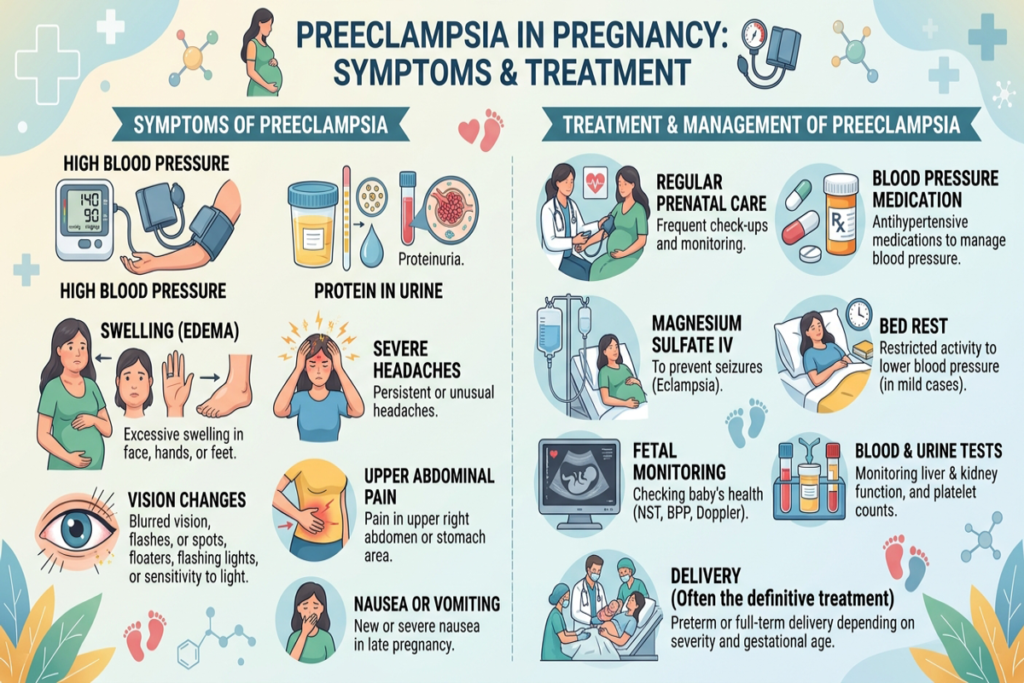
Possible warning signs include:
- Persistent or severe headache.
- Blurred vision, flashing lights, or other visual changes.
- Pain in the upper abdomen, particularly beneath the ribs.
- Sudden swelling of the face or hands.
- Shortness of breath.
- Nausea or vomiting that develops later in pregnancy and is unusual for you.
- Feeling significantly unwell.
Swelling alone does not necessarily mean preeclampsia, because some swelling is common during pregnancy. However, sudden swelling or symptoms occurring together should be assessed by a healthcare professional.
Important: Severe headache, visual changes, significant upper abdominal pain, difficulty breathing, or other concerning symptoms during pregnancy require urgent medical assessment. Do not wait for your next routine appointment.
What Causes Preeclampsia?
The exact cause of preeclampsia is not fully understood. The condition is associated with abnormal development or function of the placenta and changes in the mother’s blood vessels and blood pressure regulation.
These changes can affect blood flow to organs and, in some pregnancies, reduce the delivery of oxygen and nutrients to the developing baby.
Preeclampsia is not caused by a single behavior or dietary choice. It can occur even when a pregnant woman follows recommended health advice and attends regular appointments.
Who Is at Higher Risk of Preeclampsia?
Preeclampsia can affect any pregnancy, but some factors are associated with a higher risk.
These include:
- A history of preeclampsia in a previous pregnancy.
- Chronic high blood pressure.
- Kidney disease.
- Diabetes that existed before pregnancy.
- Certain autoimmune conditions.
- A multiple pregnancy, such as twins.
- A first pregnancy.
- Certain personal or family medical histories.
Having one or more risk factors does not mean preeclampsia will definitely develop. Your obstetrician can review your individual risk and recommend an appropriate monitoring plan.
How Is Preeclampsia Diagnosed?
Diagnosis usually involves blood pressure measurements and an assessment for signs that organs may be affected.
Depending on your symptoms and clinical findings, your healthcare team may recommend:
- Blood Pressure Measurement
Blood pressure is checked using appropriate clinical methods. New high blood pressure after 20 weeks of pregnancy may prompt further assessment.
- Urine Testing
A urine test may be used to check for protein, which can be a sign of kidney involvement. However, protein in the urine is not required in every case for a diagnosis of preeclampsia.
- Blood Tests
Blood tests may assess kidney function, liver function, and platelet levels to help identify complications and determine the severity of the condition.
- Ultrasound and Fetal Monitoring
Ultrasound may be used to assess fetal growth and amniotic fluid. Additional monitoring, including Doppler ultrasound or assessment of the baby’s heart rate, may be recommended according to gestational age and clinical circumstances.
The choice and frequency of these tests depend on the mother’s condition, the baby’s well-being, and the stage of pregnancy.
How Is Preeclampsia Managed?
Management depends on the severity of the condition, gestational age, maternal health, and the baby’s well-being. Some women need close outpatient monitoring, while others require hospital care.
Treatment may include:
Blood Pressure Management
Medication may be prescribed to control high blood pressure and reduce the risk of serious complications. The choice of medication depends on the clinical situation and pregnancy considerations.
Maternal Monitoring
The healthcare team may arrange repeated blood pressure checks, urine assessments, blood tests, and reviews for symptoms that could indicate worsening disease.
Fetal Monitoring
Depending on the pregnancy, the baby may need regular growth scans and other assessments to help the team decide whether continuing the pregnancy remains appropriate.
Timing of Delivery
Delivery is the only definitive way to end preeclampsia, because the condition is associated with the placenta. However, the timing must balance the risks to the mother against the risks of premature birth for the baby.
If the condition is severe, delivery may be needed urgently regardless of gestational age. In other cases, careful monitoring may allow the pregnancy to continue until a safer time.
The plan should be individualized by the obstetric team.
Can Preeclampsia Affect the Baby?
Preeclampsia may affect the placenta and reduce the supply of oxygen and nutrients reaching the baby. Possible complications include:
- Restricted fetal growth.
- Preterm birth.
- Placental complications.
- The need for additional fetal monitoring or neonatal care.
Not every pregnancy affected by preeclampsia experiences these complications. Appropriate monitoring helps the healthcare team identify concerns and make timely decisions.
Can Preeclampsia Be Prevented?
Preeclampsia cannot always be prevented, but identifying risk factors early can help healthcare professionals develop an appropriate care plan.
For selected women at increased risk, a clinician may recommend low-dose aspirin during pregnancy. It should only be started on the advice of a qualified healthcare professional, who can determine whether it is appropriate and when it should begin.
Other important steps include attending antenatal appointments, following recommended monitoring, and discussing any new or unusual symptoms promptly.
No diet, supplement, or home remedy can reliably prevent or treat preeclampsia on its own.
Preeclampsia After Delivery
Preeclampsia can sometimes develop or worsen after childbirth, even if blood pressure was normal during pregnancy.
After delivery, seek urgent medical assessment for severe headache, visual disturbances, upper abdominal pain, difficulty breathing, or other significant symptoms. Postpartum blood pressure monitoring and follow-up are important, especially for women who had high blood pressure during pregnancy.
Your healthcare team can explain how long monitoring is needed and whether medication or additional follow-up is appropriate.
Frequently Asked Questions
When does preeclampsia usually develop?
It most commonly develops after 20 weeks of pregnancy, but it can also occur after delivery.
Can preeclampsia occur without symptoms?
Yes. Some women have no obvious symptoms, so routine blood pressure checks and recommended antenatal assessments are important.
Does preeclampsia always mean an early delivery?
Not always. The decision depends on the severity of the condition, gestational age, and the health of the mother and baby. Severe disease may require urgent delivery.
Can preeclampsia happen in a future pregnancy?
Yes. Having preeclampsia in a previous pregnancy increases the risk of recurrence, although it does not mean it will definitely happen again. Early antenatal care can help guide monitoring and prevention strategies.
Is preeclampsia the same as gestational hypertension?
No. Gestational hypertension is high blood pressure that develops during pregnancy without the additional features required to diagnose preeclampsia. Some women with gestational hypertension may later develop preeclampsia, so monitoring is important.
Conclusion
Preeclampsia is a potentially serious pregnancy complication that requires timely recognition and appropriate medical care. Regular antenatal appointments, awareness of warning signs, and individualized maternal and fetal monitoring can help guide treatment decisions.
If you have high blood pressure, risk factors, or symptoms that concern you during pregnancy, consult your obstetrician promptly. Severe warning signs require urgent medical assessment.
Medical disclaimer: This article is for educational purposes only and does not replace professional medical advice, diagnosis, or treatment.