IVF: Complete Guide to In Vitro Fertilization, Steps & Success
In vitro fertilization (IVF) is one of the most advanced fertility treatments available for couples experiencing difficulties conceiving naturally. IVF can help overcome several causes of infertility by combining an egg and sperm in a laboratory and transferring the resulting embryo into the uterus
For many couples, understanding the IVF process, treatment options, potential risks, and factors that can influence success is an important first step toward making informed decisions about fertility treatment
In this comprehensive guide, we explain what IVF is, how IVF works, the main stages of treatment, who may benefit from IVF, factors affecting IVF success, and what patients can expect during the treatment journey
?What Is IVF
IVF, or in vitro fertilization, is an assisted reproductive technology (ART) used to help achieve pregnancy
During IVF treatment, eggs are collected from the ovaries and fertilized with sperm in a laboratory. After fertilization, embryos are monitored for development, and a suitable embryo may be transferred into the uterus
If implantation occurs and pregnancy develops, the pregnancy is then monitored in the usual way, although additional follow-up may be recommended depending on the patient’s medical history
IVF may be considered when other fertility treatments have not been successful or when certain medical conditions make natural conception difficult
?How Does IVF Work
An IVF treatment cycle generally involves several stages. The exact treatment plan can vary depending on the patient’s age, ovarian reserve, fertility diagnosis, previous treatment history, and overall health
:The main stages of IVF include
Initial fertility assessment
Ovarian stimulation
Monitoring of follicle development
Trigger injection
Egg retrieval
Sperm collection
Fertilization
Embryo development
Embryo transfer
Pregnancy testing
Let’s look at each stage in more detail
. Fertility Assessment Before IVF
Before beginning IVF, a fertility specialist usually performs a detailed assessment to understand the possible cause of infertility and determine whether IVF is appropriate
:The assessment may include
Medical and reproductive history
Physical examination
Hormonal blood tests
Ovarian reserve assessment
Ultrasound examination
Semen analysis
Assessment of the uterus and fallopian tubes when appropriate
Review of previous fertility treatments
The purpose of this evaluation is not only to determine whether IVF is needed but also to develop an individualized treatment strategy
Ovarian Stimulation
During a natural menstrual cycle, usually one egg reaches maturity. IVF treatment generally uses fertility medications to stimulate the ovaries to develop multiple follicles
The goal is to obtain several mature eggs that may be collected during the egg retrieval procedure
Patients are monitored during this stage using ultrasound examinations and, when appropriate, blood tests
The medication dose and duration vary between patients because ovarian response differs from one person to another
Monitoring Follicle Development
Regular monitoring is an important part of IVF treatment
:Ultrasound examinations allow the fertility team to assess
Number of developing follicles
Follicle growth
Endometrial thickness
Ovarian response to medication
Based on the monitoring results, the fertility specialist may adjust medications or determine the appropriate time for egg retrieval
Trigger Injection
When the follicles have reached an appropriate stage of development, a trigger medication may be administered to help the eggs complete the final stage of maturation
The timing of this medication is particularly important because egg retrieval is scheduled according to the expected timing of ovulation and egg maturation
Egg Retrieval
Egg retrieval, also called oocyte retrieval, is a procedure used to collect mature eggs from the ovaries
The procedure is usually performed using ultrasound guidance and a specialized needle
The retrieved eggs are then transferred to the embryology laboratory, where they are assessed for maturity and prepared for fertilization
Sperm Collection
A sperm sample is generally collected around the time of egg retrieval
The laboratory evaluates the sample and prepares the sperm for fertilization
In some situations, specialized sperm-retrieval procedures may be considered when sperm cannot be obtained through a standard sample
Fertilization
After egg retrieval, the eggs and sperm are brought together in the laboratory
Fertilization may be performed using conventional IVF techniques or, in selected cases, intracytoplasmic sperm injection (ICSI)
ICSI involves injecting a single sperm directly into a mature egg
The most appropriate fertilization method depends on factors such as sperm quality, previous fertilization results, and the clinical circumstances of the couple
Embryo Development
Following fertilization, embryos are monitored in the laboratory
Embryologists assess embryo development over the following days and determine which embryos are suitable for transfer or freezing based on the treatment plan
Not every fertilized egg will necessarily develop into an embryo suitable for transfer
This is one reason why IVF outcomes can vary considerably between individuals and couples
Embryo Transfer
Embryo transfer involves placing an embryo into the uterus using a thin catheter
The procedure is generally performed without the need for major surgery
Depending on the individual treatment plan, an embryo may be transferred during the same IVF cycle or a frozen embryo transfer may be planned during a later cycle
The decision regarding the number of embryos transferred should take into account factors such as age, embryo characteristics, previous treatment history, and the goal of reducing the risk of multiple pregnancy
Pregnancy Test After IVF
After embryo transfer, patients are usually advised to wait for an appropriate period before performing a pregnancy test
A blood test measuring beta-hCG is commonly used to determine whether pregnancy has occurred
If the test is positive, follow-up assessment and ultrasound examinations are used to confirm and monitor the pregnancy
?Who May Need IVF
IVF may be considered for several causes of infertility
:Possible indications include
Blocked or Damaged Fallopian Tubes
When the fallopian tubes are blocked or significantly damaged, sperm and egg may not be able to meet naturally
IVF can bypass the fallopian tubes by allowing fertilization to take place in the laboratory
Male Factor Infertility
IVF, sometimes combined with ICSI, may be considered when there are problems with sperm concentration, movement, or morphology.
The appropriate treatment depends on the severity and underlying cause of the male fertility problem
Ovulation Disorders
Some women experience difficulties with ovulation due to hormonal or reproductive conditions
Depending on the cause and previous treatments, IVF may be considered when other fertility treatments have not resulted in pregnancy
Endometriosis
Endometriosis can affect fertility through several mechanisms
For some patients with endometriosis-related infertility, IVF may provide an effective treatment option
Unexplained Infertility
Sometimes routine fertility investigations do not identify a clear cause of infertility
This is known as unexplained infertility. Depending on the couple’s age, duration of infertility, and previous treatment, IVF may be considered
Previous Fertility Treatment Failure
IVF may also be considered when previous fertility treatments have not resulted in pregnancy
The decision should be based on an individualized assessment rather than a single factor
?What Factors Affect IVF Success
IVF success is influenced by several factors, and there is no single success rate that applies to every patient
:Important factors include Age
Female age is one of the most important factors influencing IVF outcomes because egg quantity and quality generally change with age
Ovarian Reserve
Ovarian reserve provides information about the remaining egg supply and can help fertility specialists plan treatment
Tests such as AMH and antral follicle count may be used as part of the assessment
Egg Quality
Egg quality plays an important role in embryo development and the likelihood of achieving a successful pregnancy
Sperm Quality
Sperm concentration, motility, morphology, and other characteristics may influence fertilization and embryo development
Embryo Quality
Embryo development and characteristics can influence the likelihood of implantation and pregnancy
Uterine and Endometrial Factors
The condition of the uterus and endometrium can also be important when evaluating implantation and pregnancy
Previous IVF History
Previous IVF cycles can provide valuable information about ovarian response, fertilization, embryo development, and other aspects of treatment
?How Long Does IVF Take
The length of an IVF cycle varies depending on the treatment protocol and individual circumstances
The active treatment phase may take several weeks, including ovarian stimulation, monitoring, egg retrieval, fertilization, embryo development, and embryo transfer
Some patients may undergo a fresh embryo transfer, while others may have embryos frozen and transferred during a later cycle
Your fertility specialist can provide a more accurate timeline after evaluating your individual treatment plan
?Is IVF Safe
IVF is an established medical treatment, but like any medical procedure, it has potential risks and limitations
:Possible complications may include
Ovarian hyperstimulation syndrome (OHSS)
Bleeding or infection associated with procedures
Multiple pregnancy
Ectopic pregnancy
Treatment-related emotional stress
Risks associated with underlying medical conditions
The risk level varies from patient to patient
Modern fertility treatment aims to maximize the chance of a healthy pregnancy while minimizing avoidable risks
?What Happens After a Successful IVF Pregnancy
A positive pregnancy test is an important milestone, but it is only the beginning of the pregnancy journey
After a confirmed pregnancy, the medical team may arrange follow-up blood tests and ultrasound examinations
An early ultrasound can help confirm the location and development of the pregnancy
Further antenatal care depends on the patient’s health, pregnancy history, and whether any risk factors are present
For patients with high-risk pregnancies, specialist maternal and fetal medicine care may be recommended
IVF and Emotional Well-Being
Fertility treatment can be emotionally challenging
Patients may experience stress, uncertainty, excitement, disappointment, or anxiety during different stages of treatment
It is important for couples to communicate openly and seek appropriate emotional support when needed
Having realistic expectations is also important because IVF cannot guarantee pregnancy, even when treatment is carefully planned
?How Can You Prepare for IVF
Preparation for IVF should be individualized and guided by your fertility specialist
:General areas that may be discussed include
Maintaining a healthy lifestyle
Taking prescribed medications correctly
Attending monitoring appointments
Avoiding smoking
Limiting alcohol according to medical advice
Managing existing medical conditions
Taking recommended supplements when advised by your doctor
Understanding the treatment timeline
Discussing previous fertility treatments and medical history
Patients should always discuss medication and lifestyle changes with their healthcare professional
Frequently Asked Questions About IVF
?Is IVF painful
Some stages of IVF may cause temporary discomfort, particularly ovarian stimulation and recovery after egg retrieval. The egg retrieval procedure is performed using appropriate pain management or sedation according to the clinical setting
?How many eggs are needed for IVF
There is no universal number of eggs that guarantees success. The response to ovarian stimulation varies considerably between patients, and the ultimate goal is to obtain mature eggs that can potentially result in viable embryos
?Can IVF guarantee pregnancy
No. IVF can significantly assist conception for many patients, but it cannot guarantee pregnancy or a live birth
?How many embryos are transferred during IVF
The number of embryos transferred depends on the patient’s age, embryo characteristics, previous treatment history, and clinical recommendations. In many cases, transferring a single embryo can help reduce the risk associated with multiple pregnancy
?What happens to extra embryos
Embryos that are suitable for freezing may be cryopreserved for potential future treatment, depending on the patient’s circumstances and local medical regulations
?Can IVF be used for male infertility
.Yes. IVF, particularly when combined with ICSI, can be used in selected cases of male factor infertility
?When should I see a fertility specialist
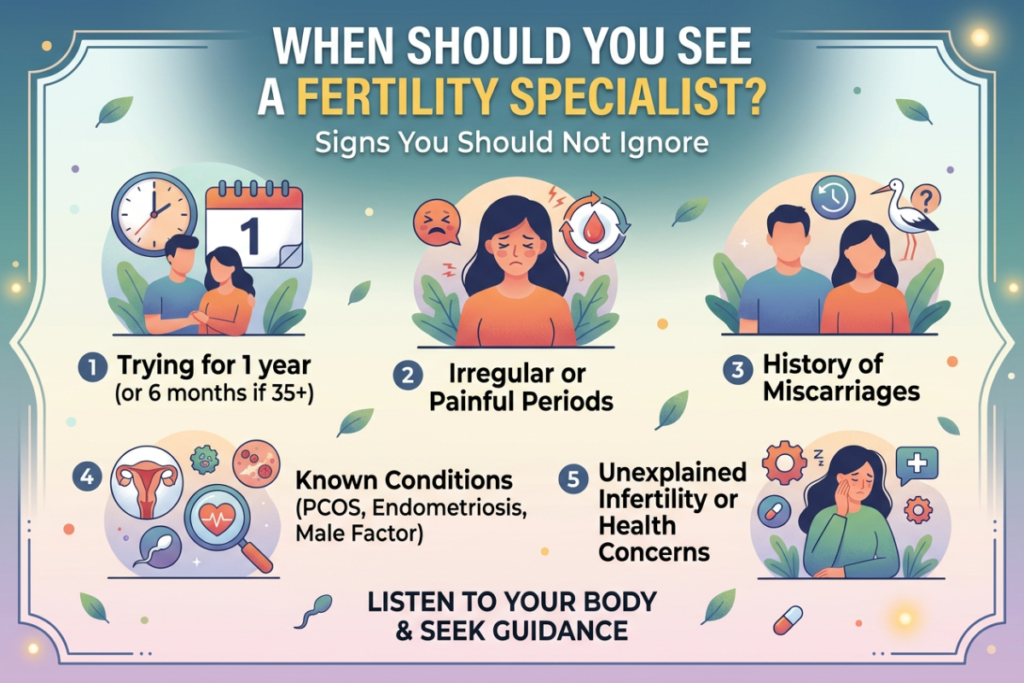
You should consider discussing fertility with a specialist if you have been trying to conceive without success, have known reproductive conditions, irregular ovulation, previous pregnancy losses, or other factors that may affect fertility
Final Thoughts
IVF has transformed the treatment of infertility and provides an important option for many couples who have difficulty conceiving
However, IVF is not a one-size-fits-all treatment. The most appropriate approach depends on factors such as age, ovarian reserve, sperm quality, reproductive history, medical conditions, and previous fertility treatment
A detailed evaluation by an experienced fertility specialist can help determine whether IVF is appropriate and which treatment strategy is most suitable for your individual circumstances
If you are considering IVF, professional medical assessment is an important first step toward understanding your fertility options and creating an individualized treatment plan
Related Topics
:For more information about fertility, IVF, pregnancy, and reproductive medicine, explore our related guides
IVF Success Rates: Factors That Affect Your Chances of Pregnancy
?When Should You See a Fertility Specialist
Recurrent Pregnancy Loss: Causes, Tests and Treatment Options
PCOS and Infertility: How Polycystic Ovary Syndrome Affects Pregnancy
Advanced Maternal Age and Pregnancy: Risks, Screening and Medical Care
:Medical Disclaimer
This article is intended for general educational purposes and does not replace an individual medical consultation. IVF treatment and fertility recommendations should always be based on a patient’s medical history, examination, investigations, and assessment by a qualified healthcare professional.